
Travel, Culture, and the Meaning of Food in Cuba
One of the best parts of traveling is discovering how people live day to day. Food plays a huge role in that experience. In fact, trying local dishes is one of the fastest ways to understand a new culture. That is why so many travelers build their trips around food and markets, especially when exploring havana street food.
There is a well known saying, “When in Rome, do as the Romans do.” In Cuba, that idea naturally includes eating like a local. Because of that, many visitors make food their first priority when they arrive.
The Cultural Roots of Cuban Cuisine
Cuba offers one of the most diverse food cultures in the Caribbean. Over time, Cuban cuisine has absorbed influences from French, Chinese, African, Arabic, Spanish, and Portuguese traditions. As a result, it has become a true fusion cuisine shaped by centuries of migration and exchange.
Traditional Cuban cooking often stays simple. However, the flavors are deep and layered. Most dishes rely on slow cooking methods that bring out rich, balanced taste. This is especially true in everyday havana street food, where simplicity meets bold flavor.
What Makes Havana Street Food Unique
Many travelers arrive expecting seafood because Cuba is an island. However, Cuban cooking focuses more on pork, chicken, beef, and beans. These ingredients form the foundation of most local meals.
Common spices include garlic, cumin, oregano, and bay leaves. In addition, onion and pepper add depth to many dishes. One essential base in Cuban cooking is sofrito, a slow fried blend of vegetables and spices cooked in oil.
Because of this preparation style, Cuban food develops strong but balanced flavor over time.
Cooking Style and Traditional Ingredients
Cuban cuisine relies heavily on slow cooking. Chefs often simmer meats and vegetables for hours. This method allows flavors to blend naturally while keeping food tender and rich.
Citrus marinades are also very common. Orange, lime, and lemon juice help soften meat and enhance flavor. As a result, dishes often fall off the bone and feel incredibly fresh.
Root vegetables also play a key role. Yuca, boniato, and malanga are often served with sauces or stews. For extra flavor, many dishes include mojo sauce made with garlic, onions, olive oil, and citrus juice.
Best Havana Street Food to Try
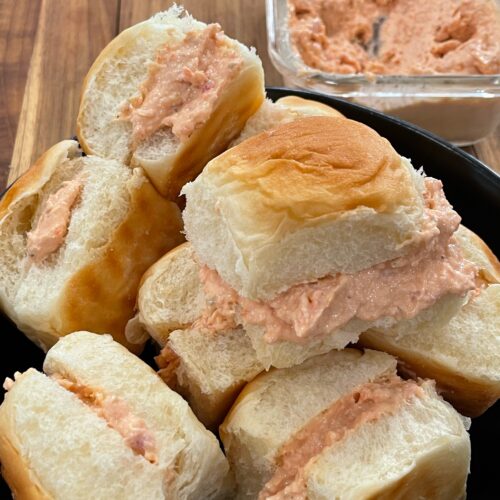
Exploring havana street food means discovering both simple snacks and full meals that locals enjoy daily.
In the morning, many people start with Cuban bread, tostadas, and café con leche. A popular way to eat tostada is to break it into pieces and dip it into sweet coffee.
Throughout the day, you will also find croquetas filled with ham or chicken, empanadas with meat or cheese, and small sandwiches known as bocaditos. Another classic option is the media noche sandwich, made with ham and cheese on soft Cuban bread.
For lunch or a quick bite, pan con bistec is a favorite. It features thin steak, onions, and crispy bread, often served with fries.
Plantains are another must try. They are fried until golden and served as a side or snack. Because of their sweetness and texture, they are a staple in Cuban households.
Exploring Havana Street Food with Local Guidance
Learning about food becomes even more meaningful when you experience it with local guidance. Food tours in Havana allow visitors to explore neighborhoods, markets, and small cafés that they might otherwise miss.
These guided experiences help travelers understand not only what they are eating but also why it matters culturally. As a result, exploring havana street food becomes both an educational and personal journey.
Final Thoughts on Havana Street Food Culture
Cuban food is more than just meals. It reflects history, migration, and daily life. From simple snacks to slow cooked dishes, every bite tells a story.
For anyone visiting Cuba, trying havana street food is one of the most authentic ways to connect with the island. It is flavorful, cultural, and deeply rooted in tradition.
Must Read: El Palacio de Valle
