
The Cuban Influence on New Orleans Music and Culture
The first time I visited New Orleans, I experienced a real sense of déjà vu. Everything about the city felt strangely familiar. The people, the music, the food, the architecture, and the overall energy reminded me of Cuba. It felt like discovering a place that shared pieces of my own cultural identity.
Later, I heard someone on an NPR program describe New Orleans as “the northernmost Caribbean city.” That phrase perfectly captured what I felt during my visit. It explained why the city felt so connected to Cuba and the broader Caribbean.
New Orleans and Its Caribbean Roots
New Orleans has long been one of America’s most important musical cities. It gave birth to legendary genres that shaped American music forever. However, many people overlook the city’s deep ties to the Caribbean, particularly Cuba, and ultimately Africa.
For Cubans, African rhythms are part of our cultural identity regardless of race. Those rhythms traveled across the Atlantic through painful chapters of history, yet they evolved into powerful forms of music that continue to influence generations.
In New Orleans, you can hear those same rhythms woven into jazz, blues, and early rock and roll. The connection feels undeniable once you begin listening closely.
The Cuban Influence on American Music
According to NPR, if you traced the DNA of rock and roll, you would find influences from spirituals, folk music, blues, country, and western music. However, there are also strong influences from the Spanish speaking Caribbean, especially Cuba.
Listen closely and you can hear elements of Cuban music in American classics. Rhythms inspired by thecha cha chá, son cubano, rumba, and Afro Cuban percussion helped shape the sound of early American music.
These musical traditions influenced jazz musicians in New Orleans and eventually contributed to the rise of rock and roll. The relationship between Cuba and New Orleans has always been stronger than many people realize.
Africa’s Lasting Musical Legacy
At the heart of both Cuban and New Orleans music is Africa. African rhythms helped create the foundation for many of the world’s most influential genres.
From Cuban percussion to New Orleans jazz bands, those rhythms continue to live on through every beat, drum pattern, and dance movement. They connect generations and cultures across oceans.
A City That Feels Like Home
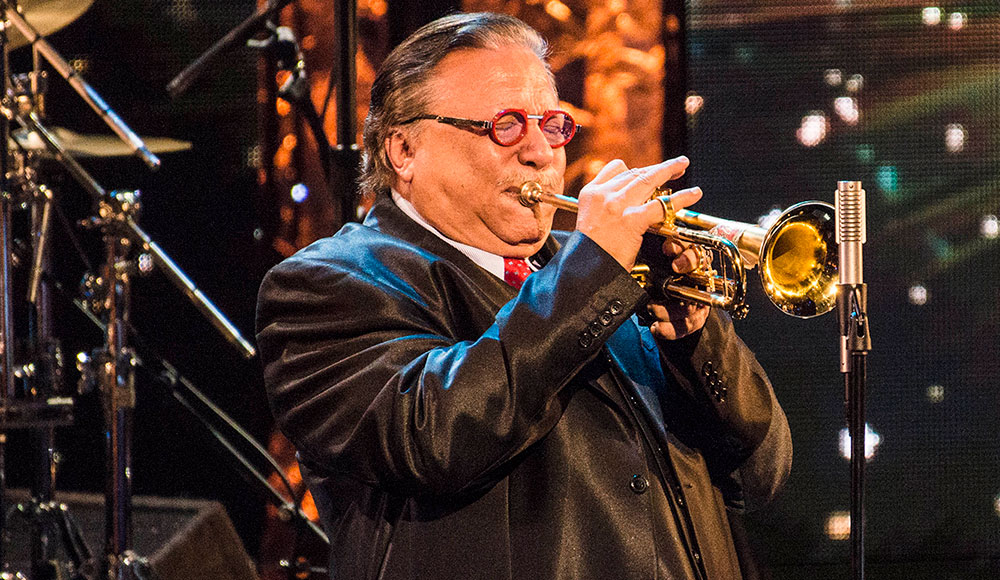
That trip to New Orleans reminded me how deeply connected cultures can be. Sometimes those connections appear through music. Other times, they show up in food, language, or everyday interactions.
For me, New Orleans felt like a cousin to Cuba, vibrant, soulful, and deeply rooted in tradition.
So grab a cigar, put on your favorite guayabera, and enjoy learning more about the rich connection between Cuban music, New Orleans culture, and the rhythms that changed American music forever.
