Independence Day is a public holiday in Cuba that’s observed on October 10th.
Cuba Independence Day, observed on October 10th, marks the beginning of the island’s long fight for freedom from Spanish rule. This historic day, known as Día de la Independencia, honors the moment in 1868 when Cubans first rose up against colonial power. Although independence did not come immediately, this date represents the start of a movement that would shape the nation’s identity for generations.
For more than 30 years, Cuba fought to break free from Spain. Because of this, October 10th stands as a symbol of courage, sacrifice, and the determination to build a free nation.
The Fight for Independence
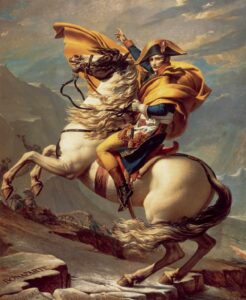
The roots of Cuba’s independence movement stretch beyond the island. At the start of the nineteenth century, the Peninsular War disrupted Spain’s control across its empire. When Napoleon Bonaparte placed his brother Joseph Bonaparte on the Spanish throne, many colonies questioned their loyalty to Spain. As a result, independence movements spread across Latin America.
Although Cuba remained loyal at first, tensions grew over time. Many Cubans saw the Spanish administration as corrupt and restrictive. Because of this, the desire for independence continued to build throughout the century.
The Grito de Yara and the Ten Years War
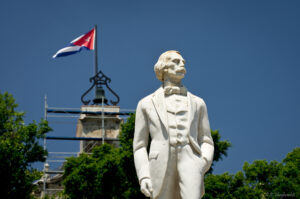
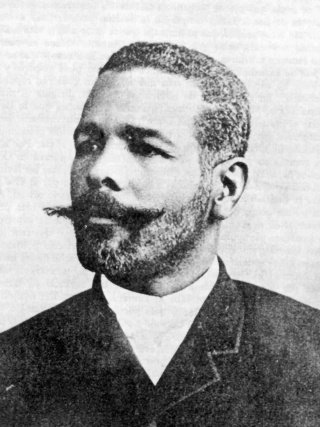
On October 10th, 1868, Carlos Manuel de Céspedes, a wealthy sugar mill owner, took a bold stand. He freed his enslaved workers and called for Cuba’s independence. This moment became known as the Grito de Yara, or Cry of Yara, and it marked the beginning of the Ten Years War.
Céspedes, often called Padre de la Patria, believed in both freedom and justice. In his October 10th Manifesto, he called for the end of slavery, freedom of the press, and honest governance. His actions inspired many others to join the fight.
Soon after, freed Black Cubans and criollos united in a shared struggle. Together, they fought not only for independence but also for equality. Although the war ended in 1878 without immediate victory, it laid the foundation for future resistance.